Discover all-inclusive tree service solutions for a healthier landscape.
Effective tree service solutions play a essential role in sustaining a well-kept landscape. Good tree care not only enhances visual beauty but also supports environmental stability. Understanding the many services provided can help property owners decide wisely. Yet, many may overlook the future benefits that professional tree care provides. This discussion will look at key aspects of tree services and their impact on landscape health. The following information may change how one perceives their outdoor space significantly.
Understanding the Significance of Tree Care
Tree care is essential for maintaining the vitality and lifespan of trees, as it influences the surrounding ecosystem and enhances property value. Proper tree care involves a range of methods, including pruning, watering, and monitoring for pests and diseases. Healthy trees aid in improved air quality, offer cooling, and support biodiversity by offering habitats for various species. Furthermore, well-maintained trees can significantly boost property attractiveness, drawing in potential buyers and raising market value.
Failing to perform tree care can lead to compromised integrity, making them susceptible to disease and environmental challenges. This can cause hazardous outcomes, such as falling branches or uprooted trees, threatening safety to people and property. Moreover, the visual appeal of landscapes fades when trees are not properly cared for. In conclusion, understanding the importance of tree care is essential to ensuring not only the health of the trees themselves but also the stability of the broader environment.
Common Tree Services and Their Advantages
Common tree services, such as pruning and trimming, play an vital role in maintaining the look and vitality of trees. In some cases, tree removal may become essential for safety reasons or to stop disease spread. Understanding these services can help property owners make informed decisions for their landscapes.
Methods for Tree Pruning and Trimming
While keeping up the look and well-being of a landscape, pruning and trimming techniques play helpful tips an essential role in tree care. These practices involve taking off particular branches to strengthen the tree's architecture, promote healthy growth, and improve air circulation and sunlight exposure. Regular pruning helps prevent diseases and pest infestations by taking away diseased or dead material. Trimming, on the other hand, centers on sculpting the tree and maintaining its size, making sure it won't block pathways or structures. Successful pruning techniques can enhance the amount of fruit in fruit-bearing trees and improve bloom quality in ornamental varieties. Using these methods not only contributes to the overall beauty of the landscape but also ensures the sustained well-being of the trees within it.
Tree Removal Necessities
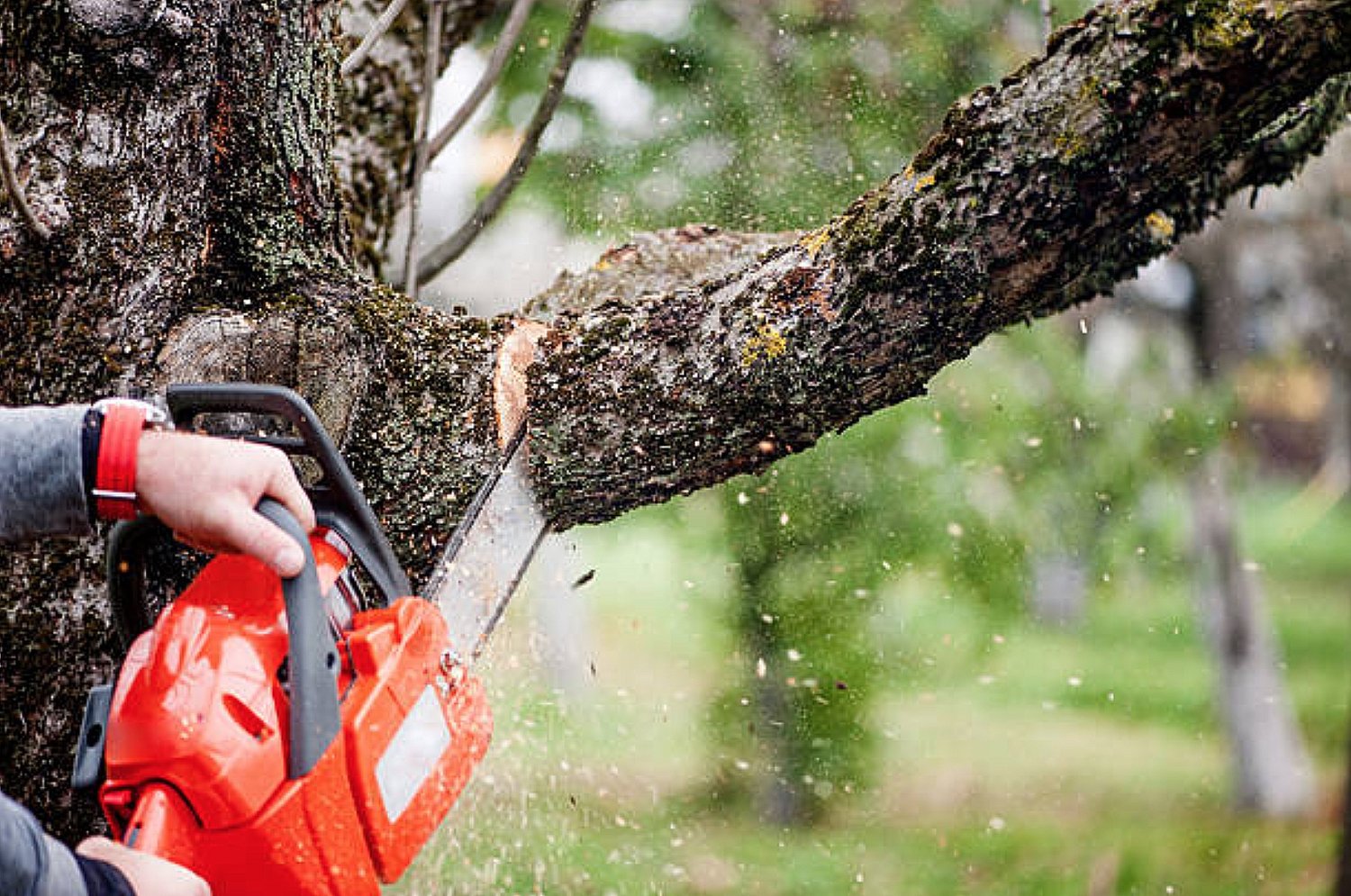
Removing a tree is often a necessary decision for both property owners and managers, especially when health, safety, or appearance is a concern. Trees that are structurally unsound, diseased, or dead can create major hazards, such as total failure or dropping limbs. In addition, overgrown trees may shade the area excessively or complicate gardening projects. Expert tree removal companies make certain these trees are taken down safely, lessening the risk of accidents. In addition, these services often offer stump grinding, which prevents tripping hazards and makes way for subsequent landscaping. Ultimately, timely tree removal not only enhances the overall appearance of a property but also contributes to a healthier landscape by fostering the growth of surrounding plants.
The Importance of Trimming and Pruning Trees
Proper trimming and pruning are vitally important in upholding the look and well-being of trees. This practice involves selectively removing branches to improve air circulation, access to light, and overall tree structure. By eliminating dead or diseased limbs, pruning aids in avoiding the propagation of disease, keeping the tree vigorous and healthy.
Consistent trimming improves how the tree looks but also stimulates healthy new shoots, contouring the crown for maximum appeal. Safety is another key factor; excessively long limbs can create dangers to people and adjacent buildings.
Additionally, pruning done correctly can prolong the lifespan of a tree, allowing it to thrive in its surroundings. Landscapers and homeowners profit by recognizing the significance of this practice, as it promotes a healthier environment and aids in the general ecological stability of the area. In summary, tree pruning and trimming are fundamental components of effective tree care.
Dealing with Pest Problems and Disease Control
Good tree stewardship demands understanding of common pests and diseases that can threaten tree health. Early detection of these problems is vital for deploying appropriate prevention strategies. This section will explore methods for identifying pest problems and preventing disease spread in trees.
Recognizing Typical Pests
When ensuring tree health, it is crucial to recognize common pests that might cause outbreaks and illnesses. Various insects, such as spider mites, aphids, and bark beetles, may inflict serious harm if ignored (Stillwater Tree Service). Symptoms of infestation often feature foliage losing its hue, failing branches, or insects seen on the trunk. Furthermore, pests like the ash borer and gypsy moth can severely impact tree health and longevity. Fungal infections, frequently worsened by pest action, may manifest as strange formations or spots on leaves. Frequent examinations are essential for early detection, enabling prompt action. By understanding these common pests, homeowners and landscapers are able to safeguard their trees more effectively and foster a generally healthier landscape
Tactics for Disease Avoidance
To guarantee the health and longevity of trees, implementing disease prevention strategies is vital when dealing with both pest infestations and disease management. Routine checks enable the swift discovery of diseases and pests, making interventions swift. IPM techniques (Integrated Pest Management), such as fostering beneficial insects and applying natural remedies, are successful at lowering pest numbers while minimizing chemical use. Additionally, maintaining proper tree care practices—such as pruning, mulching, and proper watering—strengthens trees, making them more resistant to illness. Advising site managers about seasonal threats and surrounding conditions that influence tree health is vital. By fostering a proactive approach, communities can enhance the durability of their landscapes to resist pests and illnesses, guaranteeing healthy trees for the years to come.
Improving the Look of Your Landscape With Expert Assistance
When property owners look to enhance the appeal of their outdoor spaces, expert arboricultural help are key in improving the visual appeal of the landscape. Certified tree professionals offer knowledge in tree maintenance, pruning, and shaping, which not only support robust health but also refine the overall appearance of trees. By removing dead or overgrown branches, professionals can create a more harmonious and attractive outdoor space.
Moreover, tree experts can assist in choosing the correct type of tree and positioning of trees to work well with existing vegetation, creating synergy within the landscape. Seasonal clean-up services additionally result in a neat appearance, removing debris and making features more noticeable of essential features.
Furthermore, well-maintained trees can act as central features, directing the eye toward gardens and outdoor living spaces. Through these comprehensive offerings, homeowners can achieve a lively and welcoming atmosphere, reflecting their personal style while guaranteeing the permanence of their landscape investments.
Selecting the Best Tree Care Company for Your Needs

What steps should property owners take to ensure they choose the right tree service provider for their unique situation? First, they should research local companies, focusing on their credentials, experience, and customer reviews. A reputable provider often has necessary qualifications and insurance, guaranteeing they meet industry standards and are protected against liabilities.
Next, homeowners should request quotes from several companies, evaluating the work proposed and pricing structures. This helps to identify those who offer good returns without sacrificing standards. It’s also essential to inquire about the types of tree services provided, such as pruning, removal, or disease management, to confirm alignment with particular outdoor requirements.
Lastly, having a face-to-face discussion with potential providers can demonstrate their manner of interaction and professionalism. By considering these factors, homeowners can confidently select a tree service provider that meets their expectations and promotes a more robust outdoor space.
FAQs
How often should trees be inspected for health issues?
Tree inspections should occur at least every twelve months for health issues. Consistent evaluations help spot issues quickly, ensuring timely intervention and promoting overall tree vigor, ultimately resulting in a more robust landscape.
When is the ideal period for Tree Planting?
The ideal period for tree planting is usually in the beginning of spring or the end of the year. At these times, the weather is mild, giving trees a chance to root before facing the heat of summer or the cold of winter.
Can Tree Services help with Stump Removal?
Certainly, arborists can assist with stump removal. They utilize specialized equipment and techniques to completely get rid of the stumps, resulting in a tidier yard and stopping possible dangers, pests, or diseases that come from old tree material.
Are there sustainable Tree Care Options Available?
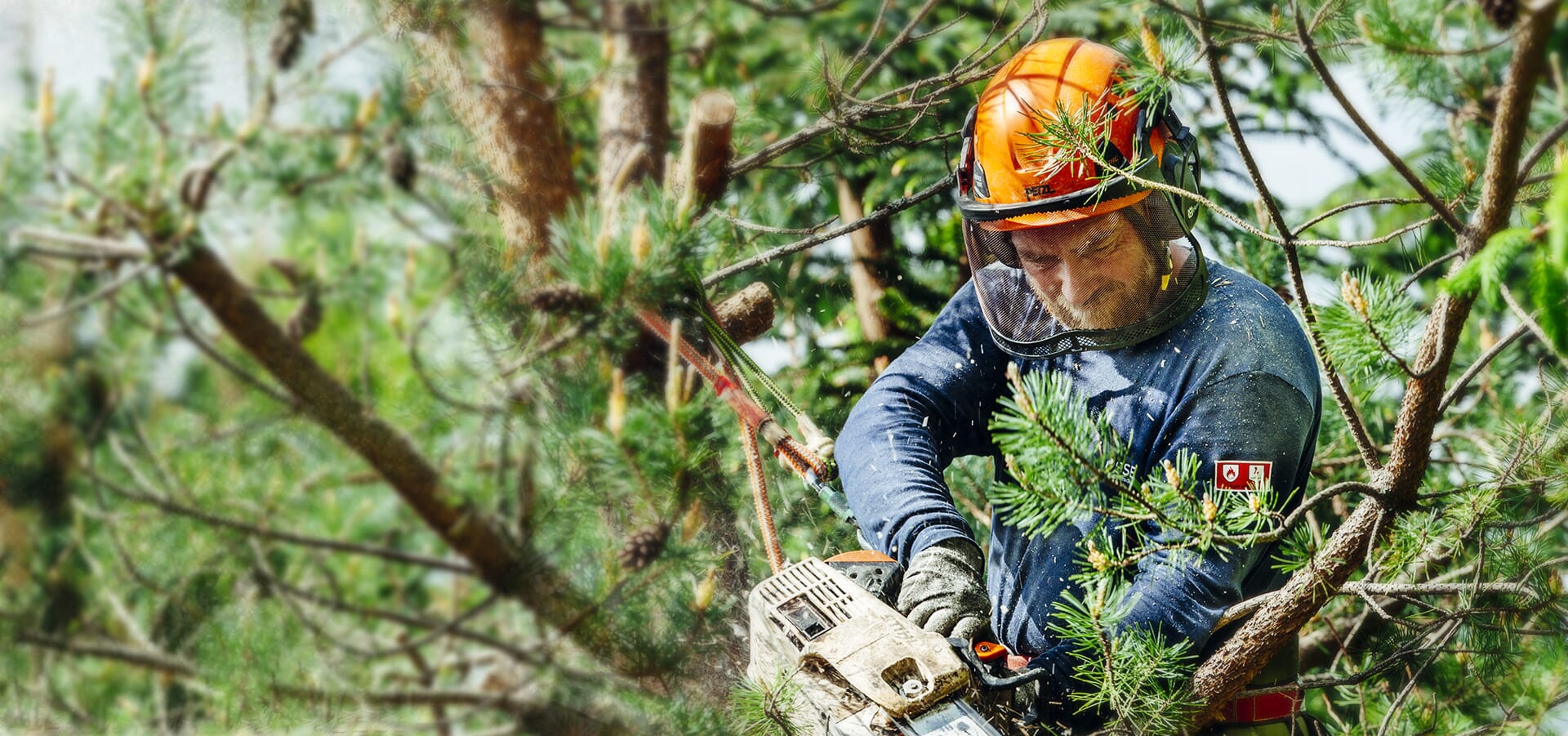
Environmentally conscious care choices include chemical-free nutrients, biological pest management, and eco-conscious trimming methods. This approach improves tree well-being while lessening the ecological footprint, leading to better natural systems and less reliance on chemicals in landscaping and tree maintenance.
How Can I Prepare My Trees for Winter?
When getting trees ready for winter, one should prune dead branches, mulch around the base, ensure sufficient watering before freezing, and consider wrapping trunks to protect against cold winds and sunscald, promoting long-term survival and durability. - Stillwater Tree Service